3 posts tagged with "crm"

View All Tags

Why Healthcare Organizations Are Moving Beyond Generic CRMs

· 8 min read
CareLaunch Team
Healthcare Innovators, FHIR Experts, and Patient Advocates
genericvspurposebuilt

Healthcare is not just another industry and your patient relationship management shouldn't be treated like it is.

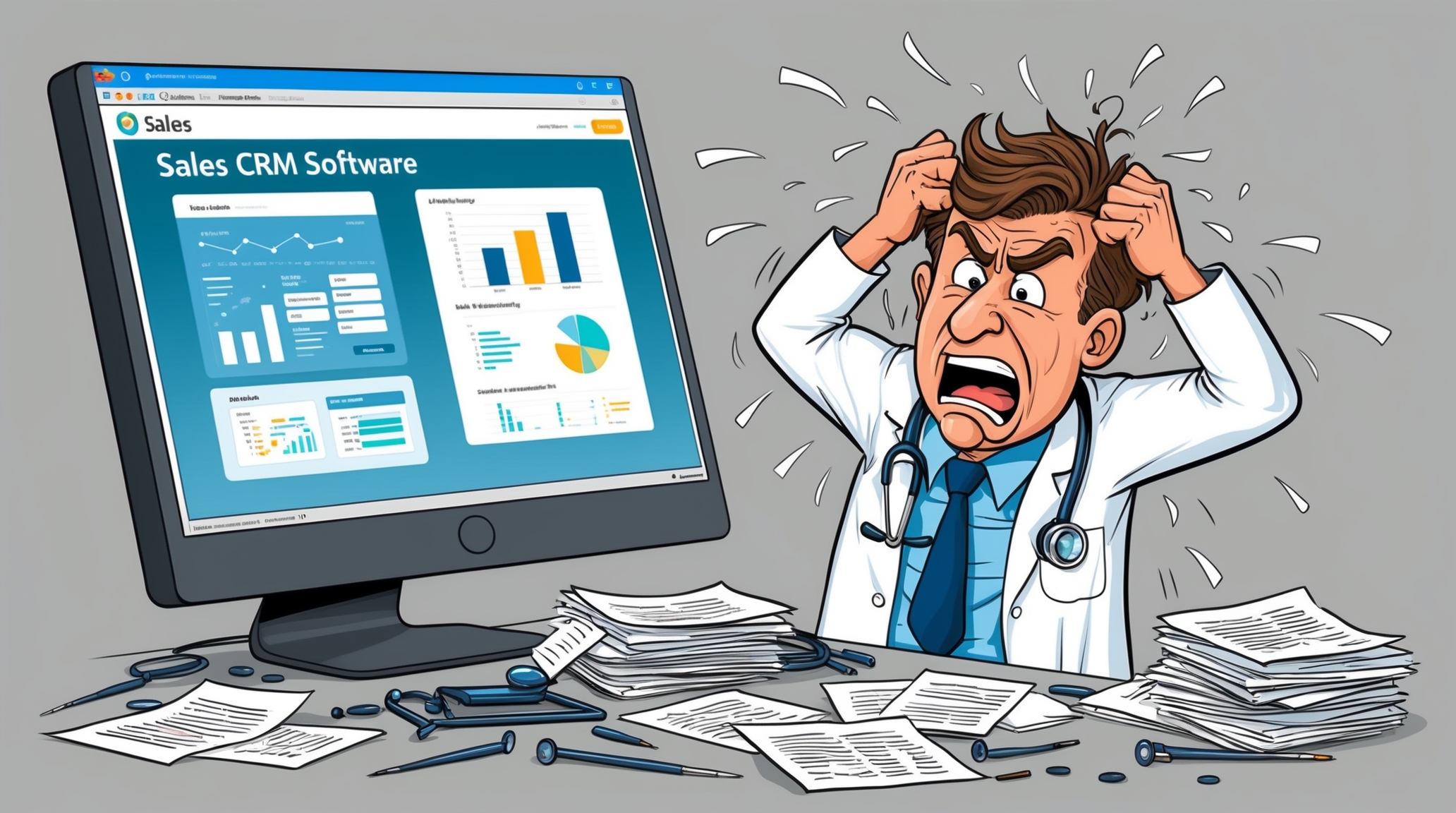
While generic CRM solutions like HubSpot might work for selling software or consulting services, healthcare organizations face unique challenges that require purpose-built solutions. From HIPAA compliance and FHIR interoperability to complex care coordination workflows, healthcare demands more than what traditional CRMs can deliver.

At CareLaunch, we've seen hundreds of healthcare organizations struggle with generic platforms that promise everything but deliver little when it comes to the nuanced needs of patient care. That's why we built a platform specifically for healthcare, one that understands your workflows, speaks your language, and drives the outcomes that matter most: better patient care and improved operational efficiency.

Here are five critical reasons why healthcare organizations are choosing purpose-built platforms over generic CRM solutions:

1. FHIR-Native Integration: The Foundation of Connected Healthcare​

The Challenge: Healthcare data lives in silos. Your EHR contains clinical data, your billing system tracks financial information, your scheduling platform manages appointments, and your communication tools operate independently. Generic CRMs treat this as a "data integration problem" to be solved with APIs and middleware.

The Healthcare-Specific Solution: Purpose-built healthcare platforms are designed around FHIR (Fast Healthcare Interoperability Resources) standards from the ground up. This isn't just about connecting systems, it's about creating a unified view of the patient journey that spans clinical, operational, and financial touchpoints.

Real Impact: When your platform natively understands FHIR resources like Patient, Appointment, Observation, and Task, you can create sophisticated automation workflows that trigger based on clinical events. Imagine automatically sending diabetes management education when a patient's A1C results come back elevated, or triggering care coordination workflows when a patient misses multiple appointments.

CareLaunch Advantage: Our FHIR-native architecture means you're not fighting against your platform to achieve healthcare workflows, you're working with a system designed specifically for how healthcare operates.

fhir

2. Compliance-First Architecture: Security That Understands Healthcare​

The Challenge: HIPAA compliance isn't a checkbox, it's a comprehensive approach to protecting patient information that must be built into every aspect of your technology stack. Generic CRMs offer "HIPAA compliance" as an add-on feature, often requiring expensive enterprise plans and complex configurations.

The Healthcare-Specific Solution: Purpose-built healthcare platforms are designed with compliance as a foundational requirement, not an afterthought. This means built-in audit trails, encrypted communications, role-based access controls, and automatic compliance reporting.

Real Impact: Your team can focus on patient care instead of worrying about compliance violations. Automated audit trails track every patient interaction, encrypted messaging ensures secure communications, and role-based permissions ensure that only authorized staff access sensitive information.

CareLaunch Advantage: Our platform includes comprehensive HIPAA compliance, GDPR readiness, and healthcare-specific security measures that protect both your organization and your patients.

3. Care Coordination Workflows: Beyond Basic Customer Management​

The Challenge: Healthcare isn't about managing "customers", it's about coordinating care across multiple providers, specialties, and touchpoints. Generic CRMs are built for linear sales processes, not the complex, multi-dimensional nature of patient care.

The Healthcare-Specific Solution: Purpose-built platforms understand care coordination workflows, from referral management and care team communication to care plan tracking and outcome monitoring. These systems recognize that a "patient" is fundamentally different from a "lead" or "customer."

Real Impact: Care coordinators can track patient progress across multiple providers, clinical teams can collaborate effectively on complex cases, and patients receive coordinated care instead of fragmented experiences. Automated workflows ensure that nothing falls through the cracks, from follow-up appointments to medication adherence monitoring.

CareLaunch Advantage: Our platform is designed around healthcare workflows, enabling seamless care coordination that improves patient outcomes while reducing administrative burden on your team.

mess

4. Outcome-Driven Analytics: Measuring What Matters in Healthcare​

The Challenge: Generic CRMs measure sales metrics, conversion rates, deal velocity, and revenue per customer. Healthcare organizations need to measure patient outcomes, care quality, population health metrics, and clinical performance indicators.

The Healthcare-Specific Solution: Purpose-built healthcare platforms provide analytics that matter to healthcare organizations: patient satisfaction scores, care plan adherence rates, preventive care completion, readmission rates, and population health trends.

Real Impact: Clinical leaders can identify patients at risk for poor outcomes, operations teams can optimize resource allocation based on patient flow patterns, and quality teams can track performance against healthcare-specific KPIs. Data-driven insights lead to better patient care and improved operational efficiency.

CareLaunch Advantage: Our analytics dashboard provides real-time insights into patient engagement, care coordination effectiveness, and operational performance, metrics that directly correlate with better patient outcomes and organizational success.

5. Healthcare-Specific Automation: Beyond Generic Marketing Workflows​

The Challenge: Generic CRM automation is designed for sales and marketing funnels, lead nurturing, deal progression, and customer retention. Healthcare requires automation that understands clinical workflows, regulatory requirements, and patient safety considerations.

The Healthcare-Specific Solution: Purpose-built platforms offer automation workflows designed specifically for healthcare scenarios: appointment reminders that include preparation instructions, medication adherence monitoring, preventive care outreach based on clinical guidelines, and care gap identification.

Real Impact: Patients receive timely, relevant communications that improve their health outcomes. Care teams can proactively identify and address care gaps before they become serious health issues. Administrative tasks are automated while maintaining the personal touch that patients expect from their healthcare providers.

CareLaunch Advantage: Our automation engine understands healthcare workflows and regulatory requirements, enabling sophisticated patient engagement strategies that improve outcomes while reducing administrative burden.

The Bottom Line: Healthcare Deserves Better Than Generic Solutions​

The healthcare industry is too important, too complex, and too regulated to rely on generic CRM solutions designed for other industries. While platforms like HubSpot excel at managing sales processes and marketing campaigns, they fall short when it comes to the nuanced needs of patient care, clinical workflows, and healthcare compliance. Using a non-healthcare CRM to do healthcare things, requires clinicians to fill the gaps and manually plug holes in workflows. It's like using a hammer to fix a flat tire.

Real-world results from CareLaunch clients demonstrate the measurable advantages of purpose-built healthcare platforms:

The Measurable Difference:​

When healthcare organizations choose purpose-built platforms like CareLaunch over generic CRM solutions, they see:

Immediate Operational Benefits:

  • 15-20 hours per week saved on manual data management tasks
  • Real-time reporting replacing error-prone manual processes
  • Improved case turnaround times through better workflow management
  • Enhanced cross-team collaboration and workload distribution

Strategic Advantages:

  • Foundational transformation of operating models
  • Sharper business insights through healthcare-specific dashboards
  • Seamless product delivery across teams
  • Strong positioning for growth and new service offerings

Real Results from CareLaunch Clients:​

Operational Efficiency Gains:

"I used to have a team member who spent at least 1-2 hours per day manually entering data into a spreadsheet, and then updating a variety of charts / formulas in excel. This would take an extra 1-2 hours on Mondays, in advance of our weekly leadership meetings. Now, the data is updated in real time and that time is instead spent on other tasks core to their role."

— Nikhyl Jhangiani, Head of Business Operations, The Clinic by Cleveland Clinic

Key Client Metrics:

  • 3-4 hours per week saved on manual data entry and reporting per team member
  • Real-time data access eliminating weekly manual reporting cycles
  • Improved case turnaround times compared to previous years

Growth Enablement:

"CareLaunch has helped fill the gaps that used to create daily challenges, putting us in a strong position to look ahead to new offerings and growth. It's exciting and motivating."

— Brian Mullen, Ph.D., Head of Innovation & Product, The Clinic by Cleveland Clinic

Why This Matters:​

Generic CRM platforms force healthcare organizations to adapt their workflows to sales-focused processes, creating inefficiencies and missed opportunities. Purpose-built healthcare platforms like CareLaunch are designed around how healthcare actually works, delivering immediate operational benefits while positioning organizations for strategic growth.

As The Clinic by Cleveland Clinic demonstrates, the right platform doesn't just solve today's challenges, it creates the foundation for tomorrow's opportunities.

Ready to Experience the Difference?​

If your healthcare organization is ready to move beyond generic CRM limitations and embrace a platform built specifically for healthcare, we'd love to show you what's possible.

CareLaunch combines the power of modern CRM technology with deep healthcare expertise, FHIR-native integration, and compliance-first architecture to deliver a platform that truly understands your needs.

Schedule a personalized demo today and discover how CareLaunch can transform your patient engagement, streamline your care coordination, and drive better outcomes for your organization.

Request Your Demo →


CareLaunch is the healthcare-specific alternative to generic CRM platforms, designed by healthcare professionals for healthcare organizations. Learn more at carelaunch.health.


EHR vs. HIPAA-Compliant CRM: Why Modern Healthcare Practices Need Both Clinical and Engagement Tools

· 9 min read
Mat Coolidge
Founder/CEO previously at Cleveland Clinic, FHIR Evangelist, User Experience Expert, and Healthcare Innovator
CRM vs EHR

Picture this: You’re a healthcare provider juggling endless clinical documentation, follow-up calls, and appointment reminders, all eating up hours of your day and keeping you from what matters most: patient care. This is the reality for many practices today. Research shows physicians spend 4.5 hours per day on EHR tasks alone (JAMA Network Open, 2023), with administrative costs devouring 15–25% of total healthcare spending (Health Affairs, 2022). But there’s a powerful way forward: combining a Certified EHR for clinical documentation with a HIPAA-compliant CRM for patient engagement can cut administrative overhead and transform patient care.

Quick Navigation​

AspectCertified EHRHIPAA-Compliant CRM (CareLaunch)
Primary FocusClinical documentation & billingPatient engagement & workflow automation
Key Workflows- Clinical notes
- E-prescribing
- Lab orders
- Insurance billing
- Patient communication
- Appointment management
- Care coordination
- Population health outreach
Implementation Time3–6 months (average)2–4 weeks (average)
Learning CurveHigh - requires extensive trainingModerate - intuitive interface
CostHigh - upfront costs, ongoing maintenance feesModerate - subscription-based pricing
Integration CapabilitiesLimited to clinical systemsFlexible integration with EHR, scheduling, billing systems

What Is a Certified EHR?​

A Certified EHR is a platform that meets strict standards set by agencies such as the Office of the National Coordinator for Health Information Technology (ONC) in the United States. These systems include specialized clinical functionalities—e-prescribing, clinical decision support, and robust data capture—to ensure that healthcare providers comply with regulatory requirements and securely store protected health information (PHI).

Key Features of a Certified EHR

  • Clinical Documentation: Enables detailed tracking of patient vitals, diagnoses, and treatment plans.
  • Regulatory Compliance: Must meet Meaningful Use/MIPS (or equivalent) standards, including interoperability requirements.
  • E-Prescribing: Integrates with pharmacies for medication management.
  • Coding & Billing: Supports ICD, CPT codes, and interfaces with insurance systems.

Ideal For:

  • Hospitals, multi-location clinics, and provider groups subject to complex compliance and reporting requirements.
  • Practices seeking advanced functionalities like e-prescribing, robust interoperability, and quality reporting.

What Is a HIPAA-Compliant CRM?​

A HIPAA-compliant CRM revolutionizes patient engagement, communication, and relationship management—while maintaining ironclad protection of sensitive patient information. Unlike traditional EHRs, modern healthcare CRMs focus on automating administrative workflows and enhancing patient engagement, areas where many practices struggle the most.

CareLaunch stands out by seamlessly integrating with your existing healthcare workflows. Our platform transforms complex tasks like patient intake, appointment management, and secure messaging into streamlined, automated processes—all within a fully HIPAA-compliant environment.

Key Features of a HIPAA-Compliant CRM

  • Secure Messaging & Communication: Streamlines patient outreach, appointment reminders, and follow-ups.
  • Patient Relationship Tracking: Manages patient journeys, from initial intake to post-visit engagement.
  • Automation & Integration: Automates administrative tasks, integrates with calendars, payment systems, and more.
  • Custom Workflows: Configures workflows for patient outreach campaigns, chronic care management, or care coordination programs.

Ideal For:

  • Healthcare organizations that want to maintain HIPAA compliance but do not necessarily need a full EHR’s clinical complexities.
  • Clinics, telehealth providers, or wellness programs looking to strengthen communication and care coordination without heavy EHR overhead.
  • Practices that already use an EHR but want a more specialized patient engagement tool to complement their system.

When You Might Need Both a Certified EHR and a HIPAA-Compliant CRM​

While some healthcare organizations can make do with just one system, many practices find that the best approach is using both a Certified EHR and a HIPAA-Compliant CRM. Here’s why:

  1. Advanced Clinical Workflows + Enhanced Patient Engagement

    • Certified EHR: Provides detailed clinical documentation, robust billing functions, and compliance reporting.
    • HIPAA-Compliant CRM: Automates engagement, drives marketing campaigns, and simplifies administrative tasks such as appointment reminders.
    • The Bottom Line: You get comprehensive clinical capabilities while optimizing patient communication and reducing administrative overhead.
  2. Seamless Data Exchange for Superior Care

    • EHR-Centric Data: Vitals, diagnosis codes, treatment plans, and e-prescribing data stay in the Certified EHR.
    • CRM-Centric Data: Appointment reminders, follow-up communications, lead tracking, and patient satisfaction surveys live in the CRM.
    • Why Integration Matters: When these two systems talk to each other, patients receive more coordinated care, and staff avoid duplicative data entry.
  3. Improved Patient Experience

    • Personalized Outreach: Your CRM can deliver targeted messages and educational materials based on the clinical information in the EHR.
    • Faster Issue Resolution: With real-time data synchronization, staff can quickly address patient concerns without toggling between disconnected systems.
    • Stronger Patient Relationships: When every team member has a 360-degree view of the patient journey—clinical and administrative—patients feel more understood and supported.
  4. Data Analytics & Reporting

    • Clinical + Engagement Metrics: Pull data from both the EHR and CRM to understand not just clinical outcomes, but also patient satisfaction and marketing ROI.
    • Population Health Insights: Identify care gaps (EHR data) and tailor engagement campaigns (CRM data) to close those gaps effectively.
  5. Scalability & Future-Proofing

    • Flexible Growth: As your practice expands, having separate yet integrated systems allows you to scale each system’s functionality without overhauling the entire tech stack.
    • Emerging Technologies: CRMs are often quicker to adapt to new marketing and communication trends, while EHRs handle evolving regulatory requirements. Integrating both helps you stay ahead on all fronts.

When You Might Need a Certified EHR​

  1. Extensive Clinical Reporting Requirements If your organization participates in government incentive programs (e.g., MIPS, Meaningful Use), you’ll need an EHR that’s certified to track and report on quality metrics.

  2. Advanced Clinical Documentation A certified EHR is often essential when providers need to document complex treatment plans, use detailed clinical decision support tools, or manage regulated prescribing workflows.

  3. Interoperability Mandates If your facility must connect with other EHR systems for seamless data exchange (e.g., hospital networks, HIEs), a certified EHR is typically required.

  4. Billing and Insurance Integration EHRs often come with built-in coding, billing, and claims management tools—critical for clinics or hospitals dealing with high-volume claim processes.


When You Might Prefer a HIPAA-Compliant CRM​

  1. Focus on Patient Engagement If your primary goal is to strengthen patient communication, from appointment scheduling to follow-ups and feedback, a CRM is ideal.

  2. Streamlined Administrative Tasks CRMs are great for prospective patients, managing marketing campaigns, and automating reminders without the complexity of a full EHR.

  3. Cost-Effectiveness Certified EHRs can be costly and feature-heavy. If you don’t need advanced clinical modules, a HIPAA-compliant CRM like CareLaunch offers a cost-effective alternative.

  4. Supplement Existing Systems Many organizations that already have a robust EHR use a CRM for better engagement workflows, care coordination, and patient marketing—filling the gap that many EHRs do not comprehensively address.


Real-World Impact: Healthcare Practice Transformation​

Here's how CareLaunch helps practices overcome these challenges:

📈 Measurable Results:

  • Automated Appointment Management: Reduce no-show rates through intelligent reminder systems and streamlined rescheduling
  • Administrative Time Savings: Cut EHR documentation time by automating routine patient communications and follow-ups
  • Enhanced Patient Engagement: Improve care plan adherence through automated check-ins and care gap notifications
  • Streamlined Workflows: Eliminate redundant data entry and manual processes through smart EHR integration

💬 “CareLaunch has helped fill the gaps that used to create daily challenges putting us in a strong position to look ahead to new offerings and growth. It’s exciting and motivating.” – Brian Mullen | Head of Innovation & Product | The Clinic

Enterprise-Grade Security Built for Healthcare​

CareLaunch's HIPAA-compliant infrastructure includes:

  • End-to-end encryption (AES-256) for all data in transit and at rest
  • Role-based access controls with granular permission settings
  • Comprehensive audit trails tracking all PHI access and modifications
  • Automated backup systems with geographic redundancy
  • Regular third-party security assessments and penetration testing

Our platform seamlessly integrates with major EHR systems including Epic, Cerner, and Athena through standard HL7 and FHIR protocols, ensuring secure and reliable data exchange while maintaining compliance.


Making the Right Choice for Your Practice​

Ultimately, deciding between a Certified EHR and a HIPAA-compliant CRM comes down to your organization’s specific needs:

  • Highly Regulated, Complex Clinical Environment? A certified EHR is a must.
  • Patient Engagement & Streamlined Admin Workflows? A HIPAA-compliant CRM like CareLaunch may be your best bet.
  • Need Both? Consider integrating a CRM with a certified EHR for the best of both worlds.

By assessing your practice’s goals—whether they’re regulatory compliance, improved patient relationships, or simply more efficient administrative management—you’ll be better positioned to pick the solution that’s right for you.


Transform Your Practice's Efficiency Today​

Ready to revolutionize your practice's workflows while maintaining HIPAA compliance? Here's how to get started:

🎯 Quick Start Options:

⚡ Fast Implementation:

  • Go live in as little as 2 weeks
  • Dedicated success manager for your practice
  • Full team training included
  • 24/7 technical support

🌟 Recommended Reading: Curious about AI in healthcare? Read our post on The Evolution of AI in Healthcare to explore the future of technology in the industry.

Book Your Demo Now


Disclaimer: The information contained in this blog post is for general informational purposes only and should not be used as a substitute for legal or professional advice. Always consult legal and compliance experts for guidance specific to your organization’s needs.

CareLaunch vs. HubSpot: Why Healthcare Providers Need a Specialized CRM Solution

· 6 min read
Mat Coolidge
Founder/CEO previously at Cleveland Clinic, FHIR Evangelist, User Experience Expert, and Healthcare Innovator
Hubspot vs Carelaunch

Why CareLaunch Outperforms Generic Tools Like HubSpot for Healthcare Providers​

Taking a sales-oriented CRM into healthcare is like bringing a megaphone to a meditation class—off-target, disruptive, and completely missing the point. Sure, HubSpot is great for closing deals, but it wasn’t built to coordinate patient care, maintain HIPAA compliance, or integrate seamlessly with payers and EHRs.

That’s where CareLaunch comes in. By blending HIPAA compliance, patient-centered workflows, and integrated payer/EHR capabilities, CareLaunch serves as a truly healthcare-first CRM platform. The result? A system that empowers providers to streamline day-to-day operations, enrich the patient experience, and foster meaningful team collaboration—without the complexity and guesswork of repurposing a non-healthcare tool.


1. Built-In Healthcare Compliance from Day One​

In healthcare, trust is non-negotiable. Protecting patient data isn’t just a best practice—it’s a legal mandate. While HubSpot can be configured to meet HIPAA requirements with add-ons, careful oversight, and continuous updates, this patchwork approach leaves room for error and added expense.

CareLaunch is built on a foundation of strict HIPAA compliance, ensuring that patient privacy, data encryption, and security protocols are embedded at every layer. There’s no need for third-party workarounds or complex integrations. Instead, you get peace of mind knowing your CRM is inherently designed to safeguard protected health information (PHI).

Bottom line: CareLaunch removes the compliance burden so you can focus on delivering top-notch care.


2. Patient-Centered Workflows, Not Sales Pipelines​

Healthcare isn’t about “closing deals”—it’s about guiding patients through their care journeys and improving outcomes. Traditional CRMs like HubSpot are structured around marketing funnels and revenue metrics. To make them “fit” healthcare, teams often invest significant effort in reconfiguring these tools, and even then, it can feel like forcing a square peg into a round hole.

CareLaunch flips the script by offering:

  • Patient-Centric Workflows: Manage care coordination, track referrals, and automate follow-up reminders seamlessly.
  • Condition-Specific Outreach: Segment patients based on clinical data and population health indicators for tailored communication campaigns.
  • Longitudinal Patient Records: Consolidate patient interactions, care plans, and health data into a single, accessible platform.

Instead of contorting a sales platform into a healthcare tool, you’re leveraging a solution that inherently understands your mission and challenges.


3. Deep Healthcare Integrations​

Interoperability is more than a buzzword in healthcare—it’s essential. Providers need to pull information from payers, synchronize with electronic health records (EHRs), and comply with evolving healthcare data standards.

CareLaunch effortlessly bridges these gaps:

  • Payer Integration: Verify insurance eligibility, submit claims, and manage billing workflows without leaving the CRM.
  • EHR Synchronization: Use FHIR-standard APIs and custom integrations to access and update patient health records in real time.
  • Clinical Decision Support: Inform care teams with timely, data-driven insights directly within the CRM.

In contrast, HubSpot’s third-party ecosystem is geared toward marketing and sales technology, making it cumbersome—and often costly—to integrate the critical healthcare systems you rely on daily.


4. Real-Time, Actionable Healthcare Analytics​

Measuring success in healthcare extends beyond revenue. Providers need data that helps them improve care outcomes, reduce operational inefficiencies, and meet regulatory benchmarks.

CareLaunch delivers analytics tailored to healthcare KPIs:

  • Patient Outreach Efficacy: Track and refine communication strategies based on responsiveness and clinical impact.
  • Care Coordination Metrics: Monitor referral follow-through, adherence to care plans, and patient follow-up success rates.
  • Population Health Trends: Identify patterns across your patient populations to guide preventive care measures and resource allocation.

While HubSpot’s analytics are robust for sales cycles and marketing performance, they can’t measure clinical indicators, patient safety metrics, or care quality improvements out-of-the-box.


5. One Unified Platform for Healthcare Teams​

Healthcare organizations often juggle multiple tools: one for outreach, another for appointment scheduling, and yet another for reporting. This patchwork approach wastes time, money, and mental bandwidth.

CareLaunch consolidates these capabilities into a single, intuitive platform:

  • End-to-End Patient Journey Management: From initial intake to ongoing chronic condition management, everything lives in one place.
  • Team Collaboration: Physicians, nurses, care coordinators, and administrative staff can all work within the same environment, ensuring smooth handoffs and improved team communication.

HubSpot might shine at managing prospective leads, but it can’t unify care delivery tasks without extensive customization or the purchase of specialized, and often pricey, add-ons.


6. Rapid Adoption and Ease of Use​

Healthcare professionals don’t have time for steep learning curves. They need straightforward tools that integrate seamlessly into their existing workflows, not software that requires hours of training or reliance on IT specialists.

CareLaunch offers an intuitive interface and features that map directly onto healthcare tasks, reducing the ramp-up time and ensuring quick ROI. In contrast, customizing HubSpot for healthcare can be a significant technical project—one that distracts from your core mission.


CareLaunch vs. HubSpot: At-a-Glance Comparison​

FeatureCareLaunchHubSpot
HIPAA ComplianceBuilt-in and seamlessRequires third-party solutions and extra steps
Healthcare WorkflowsPatient-focused, clinical workflowsDesigned for sales and marketing funnels
Payer/EHR IntegrationsIntegrated with FHIR, EHR, and payersLimited and sales-focused integrations
AnalyticsReal-time patient care & population insightsSales and marketing-centric metrics
Unified PlatformOne-stop for CRM, care coordination, and reportingMultiple tools and add-ons needed
CustomizationHealthcare-ready out-of-the-boxSignificant adaptation required

Conclusion: Tailored for Today’s Healthcare Reality​

HubSpot is a powerful CRM for its intended industries, but healthcare isn’t one of them. CareLaunch delivers a solution that’s not merely functional—it’s purpose-built for the unique challenges and opportunities in healthcare. With CareLaunch, you get a HIPAA-compliant CRM that integrates with your existing ecosystem, supports patient-centric workflows, and provides actionable analytics to continuously improve patient care.

Ready to experience a platform designed exclusively for healthcare?
Contact us to schedule a free trial and personalized onboarding session. Let CareLaunch help you transform patient relationships and elevate the quality of care you deliver, no repurposing required.